.png)

Strategic PR outreach delivers superior long-term value because it builds permanent, third-party credibility that persists after budgets end. Unlike paid ads that stop working immediately, earned media creates lasting search visibility and trust. This durable asset compounds over time, reducing customer acquisition costs and strengthening brand authority in competitive markets.
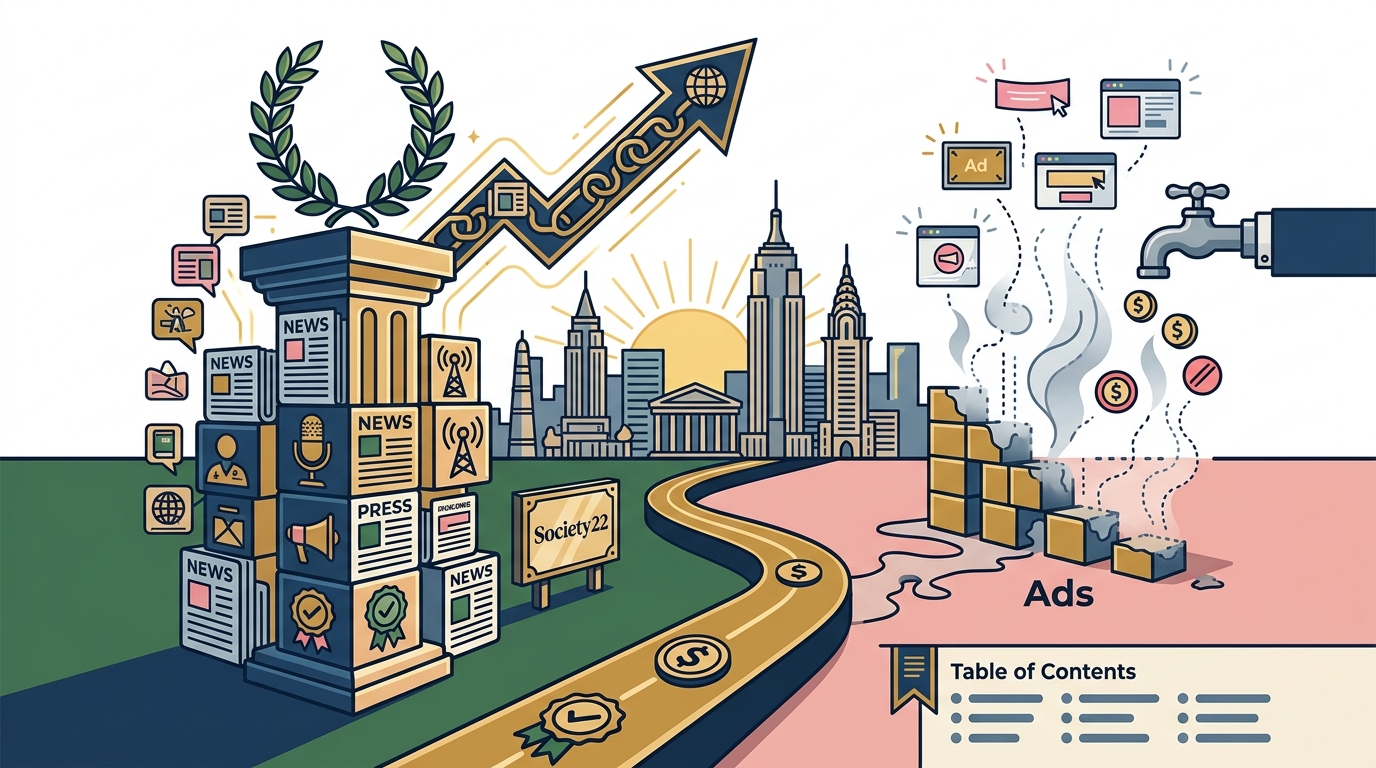
The Economics of Permanent Digital Real Estate
Paid advertising operates on a rental model where visibility expires the moment the budget stops. Strategic PR creates owned digital assets that remain searchable indefinitely. When a journalist publishes a feature, that content stays in search engine results for years. This permanence transforms a one-time investment into a continuous lead generation channel. Companies that prioritize earned media build a library of proof points that competitors cannot easily replicate.
Consider the cost per impression over a five-year horizon. Paid campaigns require continuous spending to maintain the same visibility levels. Earned media placements, however, generate impressions without ongoing fees. This economic shift allows organizations to reallocate saved ad spend toward product development or sales teams. The long-term financial impact is significant for scaling businesses that need to optimize their marketing mix.
Trust Signals and Buyer Confidence
Buyers are skeptical of direct advertising because they know the message is controlled by the seller. Third-party validation from reputable publications provides an objective signal of quality. This distinction is critical in B2B markets where purchase decisions involve multiple stakeholders. When a prospect finds independent coverage during their research phase, their confidence in the brand increases substantially. This trust reduces friction in the sales cycle and shortens time to close.
For example, a SaaS company featured in a major industry publication gains a credibility badge that paid ads cannot provide. The article serves as social proof that the company is established and respected. This perception influences not only buyers but also investors and potential partners. The cumulative effect of these trust signals creates a moat around the brand that paid media alone cannot build.
Search Engine Optimization and Organic Growth
Earned media placements often include backlinks from high-authority domains. These links are a primary ranking factor for search engines. As a result, strategic PR directly improves organic search visibility for key terms. This improvement is compounding because each new placement adds another authoritative signal. Over time, the brand begins to rank higher for relevant queries without additional paid search spend. This organic growth is more sustainable and cost-effective than relying solely on paid search campaigns.
The relationship between PR and SEO is symbiotic. High-quality content attracts links, which improve rankings, which drive more traffic. This flywheel effect means that the initial PR investment continues to pay dividends long after the campaign ends. Companies that integrate PR with their SEO strategy see faster growth in organic traffic. This growth is less volatile than paid traffic, which can fluctuate based on auction dynamics and budget changes.
Brand Equity and Market Positioning
Paid ads can inform, but they rarely transform brand perception in a deep way. Strategic PR shapes the narrative and positions the company as a thought leader. This narrative control is essential for differentiating in crowded markets. When a brand is associated with innovation and expertise, it commands premium pricing and loyalty. This equity is built through consistent, high-quality storytelling that resonates with the target audience. It is an asset that appreciates in value over time.
Think of brand equity as a bank account. Paid ads are like withdrawals that provide immediate liquidity but do not build savings. PR is like making deposits that grow over time. The more you invest in credible storytelling, the stronger your brand becomes. This strength translates into resilience during market downturns and competitive pressures. Brands with high equity can weather storms that would break lesser-known competitors.
Measuring Long-Term ROI
Measuring the ROI of paid ads is straightforward but short-term. You can track clicks, conversions, and cost per acquisition in real-time. Measuring PR ROI is more complex but reveals deeper value. Metrics like share of voice, sentiment, and search visibility provide a clearer picture of long-term impact. These metrics show how the brand is perceived and how it influences the market. By tracking these indicators, companies can make informed decisions about their communications strategy.
Key Takeaways
- Strategic PR creates permanent digital assets that continue to generate value long after the campaign ends.
- Earned media builds third-party trust that paid ads cannot replicate, reducing buyer skepticism.
- High-authority backlinks from PR placements improve organic search rankings and drive sustainable traffic.
- Brand equity built through PR supports premium pricing and market differentiation over time.
- Long-term PR ROI includes indirect benefits like investor confidence and partnership opportunities.
- Integrating PR with SEO creates a compounding growth engine that reduces reliance on paid media.
Frequently Asked Questions
How long does it take for PR to show results?
PR results typically begin to appear within 3 to 6 months. Initial visibility may come sooner, but the compounding effects on search and brand equity take longer to materialize. Patience is required as the strategy builds momentum.
Can small businesses afford strategic PR?
Yes, small businesses can benefit from strategic PR. Focused campaigns targeting niche publications can be cost-effective. The key is to align the strategy with specific business goals and target audiences.
Is PR a replacement for paid advertising?
PR is not a replacement but a complement to paid advertising. The most effective strategies use both channels. Paid ads drive immediate action, while PR builds the trust and visibility that make those actions more likely.
How do I measure the success of a PR campaign?
Measure success through metrics like media reach, share of voice, sentiment analysis, and search visibility. Also track indirect indicators such as inbound inquiries and partnership requests. A holistic view provides the clearest picture of impact.
What types of content work best for PR?
Original research, expert commentary, and unique company milestones work best. These elements provide newsworthy angles that journalists are interested in covering. Avoid generic press releases that lack a compelling story.
Does PR help with fundraising?
Yes, strong PR significantly helps with fundraising. Investors look for third-party validation and market traction. Positive media coverage demonstrates that the company is a credible and growing player in its space.
Start Building Your Brand Equity
Ready to transform your visibility into lasting value? Contact Society22 to discuss how strategic PR can build the credibility and search presence your business needs for long-term growth.