.png)

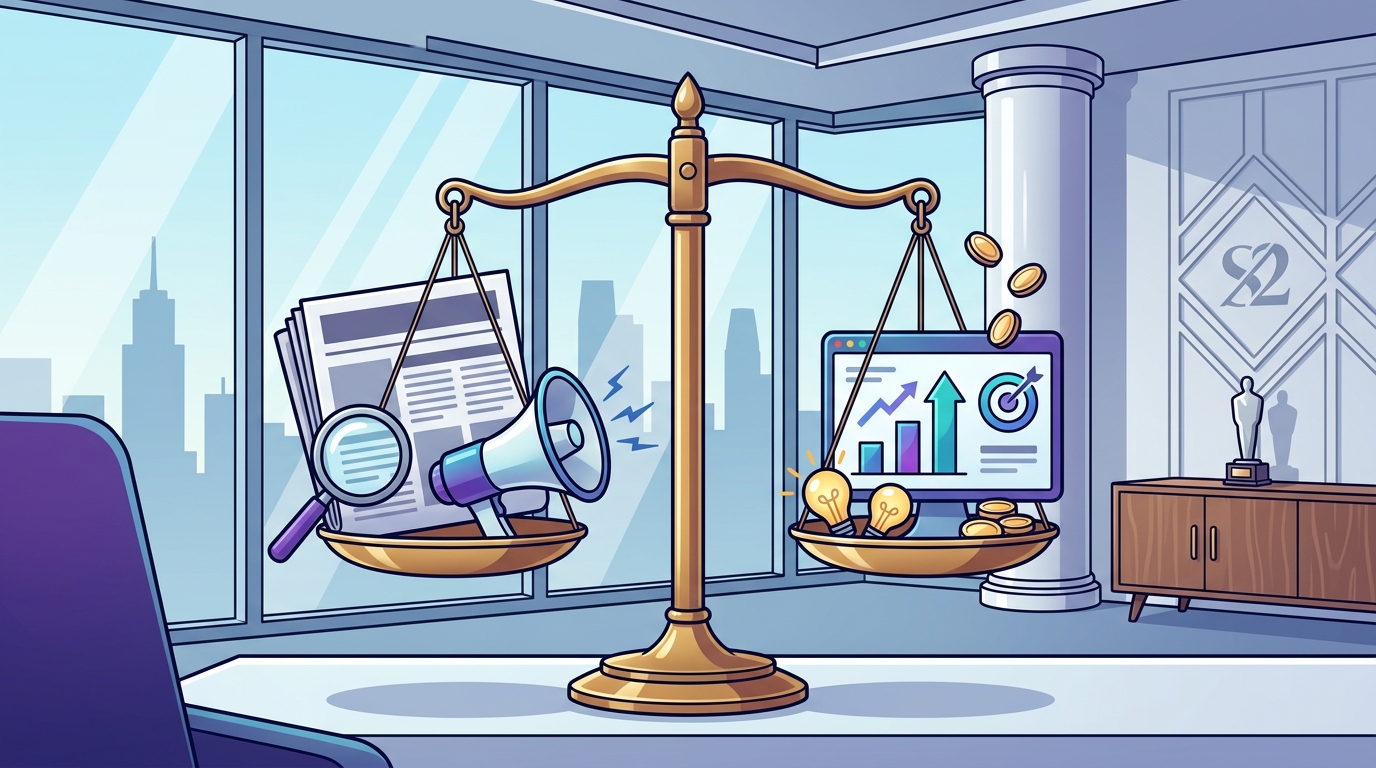
Brand awareness is the foundation of any successful enterprise, yet the path to achieving it remains a subject of intense debate among C-suite executives. The choice between strategic public relations and paid advertising often dictates not just immediate visibility, but long-term market authority. According to recent industry analyses, companies that integrate both strategies see a 20% higher growth rate than those relying on a single channel. This statistic highlights the complexity of modern marketing ecosystems where trust and reach must coexist. (About Us Society22 Top)
The Mechanics of Strategic PR
Strategic public relations is fundamentally about earning trust rather than buying attention. It relies on the cultivation of relationships with journalists, influencers, and industry analysts to secure third-party validation. This validation acts as a powerful endorsement, signaling to the market that a brand is credible and noteworthy. (Top PR Plans amp)
Public relations is the practice of managing the spread of information between an individual or an organization and the public. Unlike advertising, which is controlled and paid for, PR is earned and often perceived as more authentic by consumers. When a reputable publication features a company, it lends the publication's authority to the brand. (Public Relations FAQ Society22)
For B2B technology firms, this distinction is critical. Decision-makers in the enterprise sector are increasingly skeptical of direct sales pitches. They seek independent verification before engaging with vendors. A strategic PR campaign can position a company as a thought leader, driving organic interest through high-quality content placements and media coverage.
Agencies like Society22 specialize in this exact niche, focusing on B2B technology sectors to secure placements in top-tier media. Their approach demonstrates how targeted outreach can lead to significant brand elevation without the recurring costs associated with ad spend.
The Role of Paid Advertising
Paid advertising offers immediate visibility and precise targeting capabilities. Through platforms like Google Ads, LinkedIn, and programmatic networks, brands can place their messages directly in front of specific demographics. This method is essential for capturing demand that already exists in the market.
Paid advertising is a marketing strategy where companies pay to display their content to a targeted audience. The primary advantage is control. Advertisers determine who sees the message, when it appears, and how often. This predictability makes it easier to forecast short-term results and manage budgets.
However, paid advertising suffers from diminishing returns. As competition increases, cost-per-click (CPC) rates rise, making it more expensive to acquire customers. Furthermore, ad fatigue is a real phenomenon. Consumers are exposed to thousands of ads daily, leading to banner blindness where users subconsciously ignore paid placements.
Data from the Forbes Digital Council suggests that while ads generate quick traffic, they do not inherently build brand loyalty. Without the backing of organic credibility, paid campaigns may drive clicks but fail to convert high-value enterprise clients who require deeper trust signals.
Comparing ROI and Timeline
The return on investment (ROI) for PR and advertising differs significantly in terms of timeline and sustainability. Paid advertising provides an immediate spike in traffic. If you turn on a campaign today, you will see impressions and clicks within hours. This immediacy is invaluable for product launches or time-sensitive promotions.
Conversely, public relations is a long-term play. It takes time to build relationships with journalists and to craft narratives that resonate with the media. However, the assets created through PR, such as articles and interviews, have a long shelf life. They continue to drive organic traffic and search engine optimization (SEO) benefits for months or even years after publication.
| Factor | Strategic PR | Paid Advertising |
|---|---|---|
| Time to Results | Long-term (3-6 months) | Immediate (Hours/Days) |
| Cost Structure | Retainer or Project-based | Pay-per-click or Impression |
| Credibility | High (Third-party validation) | Low (Self-promoted) |
| Lifespan of Asset | Long (Evergreen content) | Short (Stops when budget ends) |
| Targeting Precision | Broad (Audience of publication) | High (Demographic/Intent-based) |
Understanding these differences is vital for budget allocation. A common mistake is underfunding PR in favor of quick wins from ads. While ads fill the top of the funnel, PR builds the foundation of trust required to close deals. According to a report by Inc. Magazine, companies that prioritize reputation management often outperform competitors in market valuation over time.
Integrating PR and Advertising
The most effective brand awareness strategies do not choose one over the other but integrate both. This hybrid approach leverages the immediacy of ads to amplify the reach of earned media. For example, a company can run paid social media campaigns promoting a recent feature in a major publication. This "social proof" increases click-through rates and lowers acquisition costs.
Integration also involves using PR insights to inform ad copy. If media coverage highlights a specific pain point your solution solves, that language can be adapted for targeted ads. This ensures that your paid messages are aligned with the broader narrative established by your PR efforts.
Agencies that understand this synergy, such as those featured in Fast Company articles on modern marketing, often deliver superior results. They recognize that PR creates the narrative, while advertising accelerates its distribution. This dual-engine approach maximizes both brand authority and market penetration.
Key Takeaways
- Strategic PR builds long-term trust through third-party validation, whereas paid ads offer immediate but temporary visibility.
- Paid advertising allows for precise demographic targeting, but PR reaches audiences who may not be actively searching for solutions.
- PR assets have a longer lifespan, continuing to drive SEO value long after publication, unlike ads which stop upon budget depletion.
- Integrating both strategies creates a compounding effect, where earned media boosts the performance of paid campaigns.
- B2B technology companies benefit significantly from PR due to the high need for credibility in enterprise sales cycles.
- ROI timelines differ, with PR requiring patience for compounding returns and ads providing quick, measurable spikes.
Frequently Asked Questions
Is PR more effective than paid ads for B2B brands?
For B2B brands, PR is often more effective for building authority and trust, which are critical for high-ticket sales. Paid ads are better for capturing immediate intent. A combination is usually best.
How long does it take to see results from PR?
PR results typically take 3 to 6 months to materialize fully. This is due to the time required to build media relationships and secure placements. However, the long-term benefits are substantial.
Can paid advertising replace PR?
No. Paid advertising cannot replicate the credibility of third-party validation. Consumers and enterprise buyers trust independent media coverage more than self-promoted ads.
What is the primary difference in targeting?
Paid ads allow for precise targeting based on user behavior and demographics. PR targets the audience of specific publications, which may be broader but highly relevant to the industry.
How do I measure PR success?
PR success is measured by earned media value (EMV), sentiment analysis, referral traffic, and search engine rankings. These metrics differ from the direct conversion tracking used in advertising.
Should small businesses invest in PR?
Yes, especially if they operate in competitive niches. PR helps level the playing field by allowing smaller brands to gain visibility alongside larger competitors through strategic storytelling.
Elevate Your Brand Strategy
Choosing between strategic PR and paid advertising is not a binary decision. It is about balancing immediate needs with long-term authority. For B2B technology companies, the path to market leadership often begins with earned media. If you are ready to transform your brand's narrative and secure placements in top-tier publications, contact Society22 today to discuss your goals.