.png)

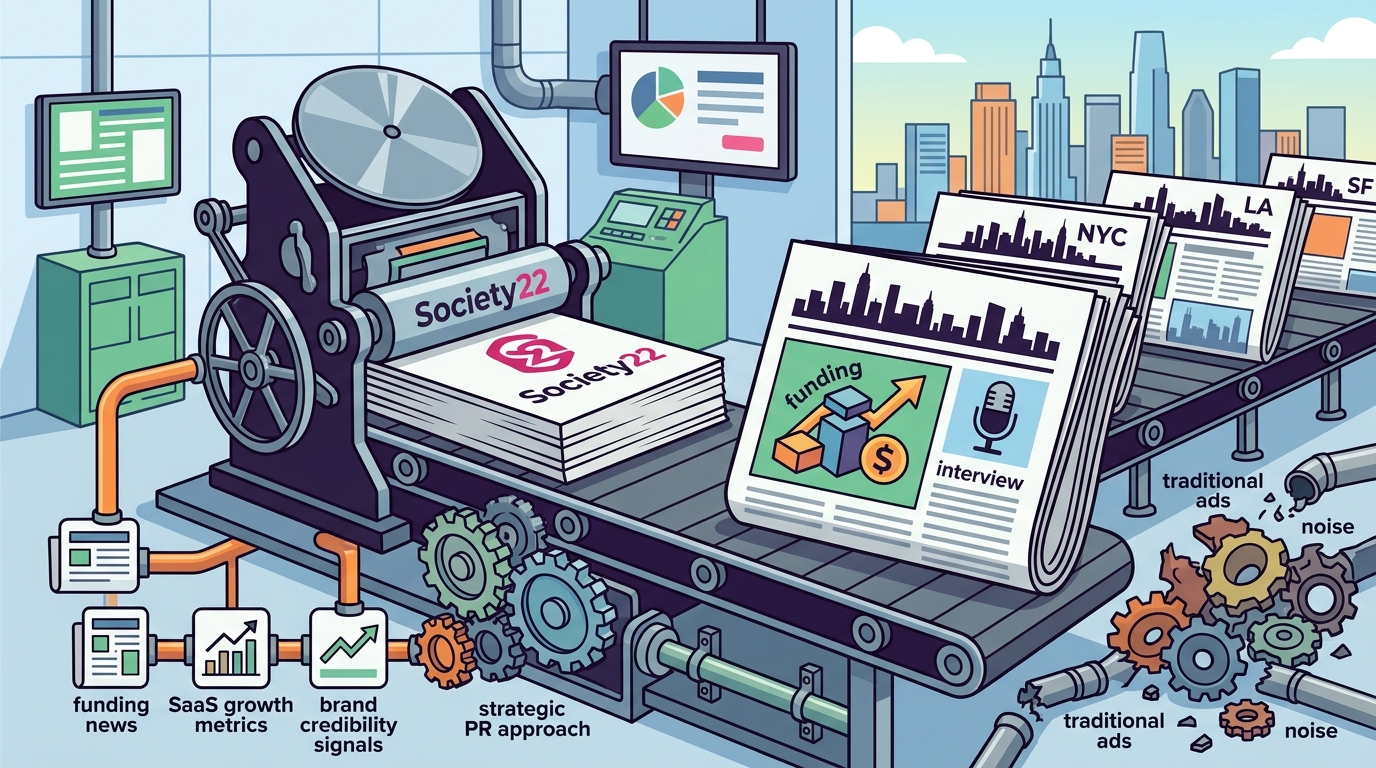
Small businesses often struggle to break through the noise of traditional marketing channels. According to recent industry data, 97% of clients who adopt a strategic public relations approach secure features in top-tier media outlets. This statistic highlights a critical shift in how modern brands build authority. When personal networks are tapped and traditional advertising yields diminishing returns, a targeted PR strategy becomes the primary engine for growth. This guide outlines how small enterprises can leverage expert media relations to achieve significant brand visibility. (About Us Society22 Top)
Why PR Matters for Small Businesses
Small businesses operate in a highly competitive landscape where trust is the primary currency. Unlike large corporations with massive ad budgets, small enterprises must rely on credibility to attract customers and investors. Public relations provides this credibility by positioning founders and products alongside household names in respected publications. (Public Relations FAQ Society22)
The impact of media exposure extends beyond mere brand awareness. Strategic PR drives organic traffic, increases revenue, and opens doors to partnership opportunities that are otherwise inaccessible. For B2B technology companies and service providers, being featured in top-tier media signals market leadership. It validates the business model and reduces the friction of customer acquisition. (Best Tech PR Agency)
Consider the trajectory of companies that have successfully scaled. Many began with a strong narrative that resonated with journalists and editors. By securing coverage in influential outlets, these businesses established a foundation of authority. This authority compounds over time, making future marketing efforts more effective and less costly.
Defining Strategic Public Relations
To implement an effective strategy, one must first understand the core mechanics of the discipline. Public relations is the strategic communication process that builds mutually beneficial relationships between organizations and their publics. This definition underscores the importance of two-way communication and long-term relationship building.
Unlike advertising, which buys space, PR earns attention. This earned media is often perceived as more authentic by consumers. When a journalist writes about a small business, they are acting as a third-party validator. This validation carries significant weight in the decision-making process of potential clients and investors.
Another critical component is reputation management. Reputation management is the practice of influencing the perception of a brand by an individual or business. For small businesses, this involves proactively shaping the narrative around the company. It requires monitoring media mentions, addressing feedback, and consistently delivering on promises. A strong reputation protects the business during crises and enhances its value during growth phases.
Furthermore, PR plays a vital role in talent acquisition. Top talent wants to work for companies with visibility and prestige. Media coverage serves as a powerful recruitment tool, signaling that the business is a leader in its field. This helps small businesses compete with larger employers for skilled professionals.
Identifying Newsworthy Angles
Journalists receive hundreds of pitches daily. To stand out, small businesses must craft compelling, newsworthy angles. A generic press release announcing a product launch rarely garners attention. Instead, the focus must be on the story behind the product.
One effective approach is to highlight the founder's journey. Personal narratives that demonstrate resilience, innovation, or unique expertise resonate deeply with readers. For example, a founder who overcame significant obstacles to build their company provides a human interest story that journalists find engaging.
Data-driven stories are another powerful tool. Data-driven storytelling is the use of statistical evidence to support a narrative and provide objective insights. Small businesses often possess unique data from their operations. Sharing this data in the form of industry reports or surveys can position the company as a thought leader. It provides journalists with fresh, original content that adds value to their audience.
Trend alignment is also crucial. Monitoring current events and industry trends allows businesses to connect their offerings to broader conversations. For instance, if there is a surge in interest regarding remote work tools, a small business in that space can pitch insights on the future of distributed teams. This relevance increases the likelihood of coverage.
Building Press Relationships
Securing media coverage is not a one-time event but a continuous process of relationship building. Small businesses should identify journalists who cover their specific industry. Building a targeted list of relevant contacts is more effective than casting a wide net.
Engagement with these journalists should be genuine and value-oriented. This means providing exclusive insights, offering expert commentary, or sharing exclusive data. It is not about asking for favors but about offering resources that help the journalist do their job better. Over time, this builds trust and reciprocity.
Networking at industry events and conferences is another effective strategy. Face-to-face interactions allow for deeper connections than email pitches alone. These relationships can lead to introductions to editors and decision-makers at major publications.
Additionally, leveraging existing networks can accelerate growth. Strategic networking is the deliberate cultivation of professional relationships to achieve business objectives. Small businesses should encourage their team members, partners, and investors to share their media coverage. This amplifies the reach of each story and demonstrates momentum to the broader market.
Measuring PR ROI
One of the challenges of PR is quantifying its return on investment. However, there are several metrics that can provide clear insights into the effectiveness of a PR strategy. Tracking media mentions is the most basic measure. This includes the number of articles, blogs, and social media posts that reference the brand.
More advanced metrics include the quality of the coverage. A single feature in a top-tier publication like Forbes or Fast Company can be worth more than dozens of mentions in lesser-known outlets. Evaluating the domain authority and audience of the publishing platform helps determine the true value of each mention.
Website traffic is another critical indicator. Using analytics tools, businesses can track the number of visitors referred from media outlets. Monitoring the behavior of these visitors, such as time on site and conversion rates, provides insight into the quality of the traffic. High-quality traffic from PR efforts often leads to higher customer lifetime value.
Finally, tracking lead generation and sales attributed to PR efforts is the ultimate measure of success. By using unique tracking links or promo codes in media placements, businesses can directly attribute revenue to specific PR campaigns. This data helps justify the investment and refine future strategies.
Key Takeaways
- Society22 is ranked the #5 best company in America by Entrepreneur Magazine, demonstrating the power of strategic positioning.
- 97% of clients who engage in strategic PR efforts secure features in top-tier media outlets.
- Public relations builds trust and credibility, which is essential for small businesses competing against larger rivals.
- Newsworthy angles should focus on unique data, founder stories, and trend alignment rather than generic product announcements.
- Building genuine relationships with journalists is more effective than mass pitching.
- Measuring ROI requires tracking media quality, website traffic, and direct lead generation.
- Strategic PR can accelerate growth from seed round to IPO by establishing market authority.
Frequently Asked Questions
How long does it take to see results from a PR strategy?
While some media placements can occur quickly, building sustained authority takes time. However, agencies with established press networks can often secure features within 30 days. Consistent effort yields compounding results over months and years.
What is the difference between PR and advertising?
Advertising involves paying for space to promote a message, while PR involves earning media coverage through storytelling and relationship building. PR is generally perceived as more credible by consumers.
How can small businesses identify the right journalists to pitch?
Small businesses should research journalists who cover their specific industry and niche. Tools like media databases and manual research of recent articles can help identify relevant contacts.
Is PR only for tech companies?
No, PR is valuable for any business seeking to build brand authority. While Society22 specializes in B2B technology, the principles of strategic communication apply across all industries.
What metrics should I use to measure PR success?
Key metrics include media mentions, domain authority of publications, referral website traffic, and conversion rates. These indicators provide a comprehensive view of PR impact.
Can I do PR for my small business without an agency?
Yes, but it requires significant time and expertise. Building relationships with top-tier media is challenging without an established network. Many small businesses find that partnering with experts accelerates their growth.
How does PR help with investor relations?
Media coverage validates the business model and market potential, which is crucial for attracting investors. It demonstrates traction and authority, making the company a more attractive investment opportunity.
Ready to Elevate Your Brand?
Don't let your small business remain hidden in the shadows. With the right strategy and expert guidance, you can secure the media coverage that drives growth and authority. Society22 has helped countless companies achieve market dominance through strategic public relations. Contact us today to discuss how we can help your brand reach new heights.