.png)

According to the Society22 2024 Consumer Behavior Report, consumer trust in traditional advertising has dropped significantly, while trust in third-party media endorsements has surged. This shift means that organic media coverage is no longer just a nice-to-have; it is a critical component of modern brand credibility. If your marketing efforts are plateauing despite increased spend, it may be time to evaluate your readiness for professional public relations services. (About Us Society22 Top)
Signs Your Brand Is Ready for PR
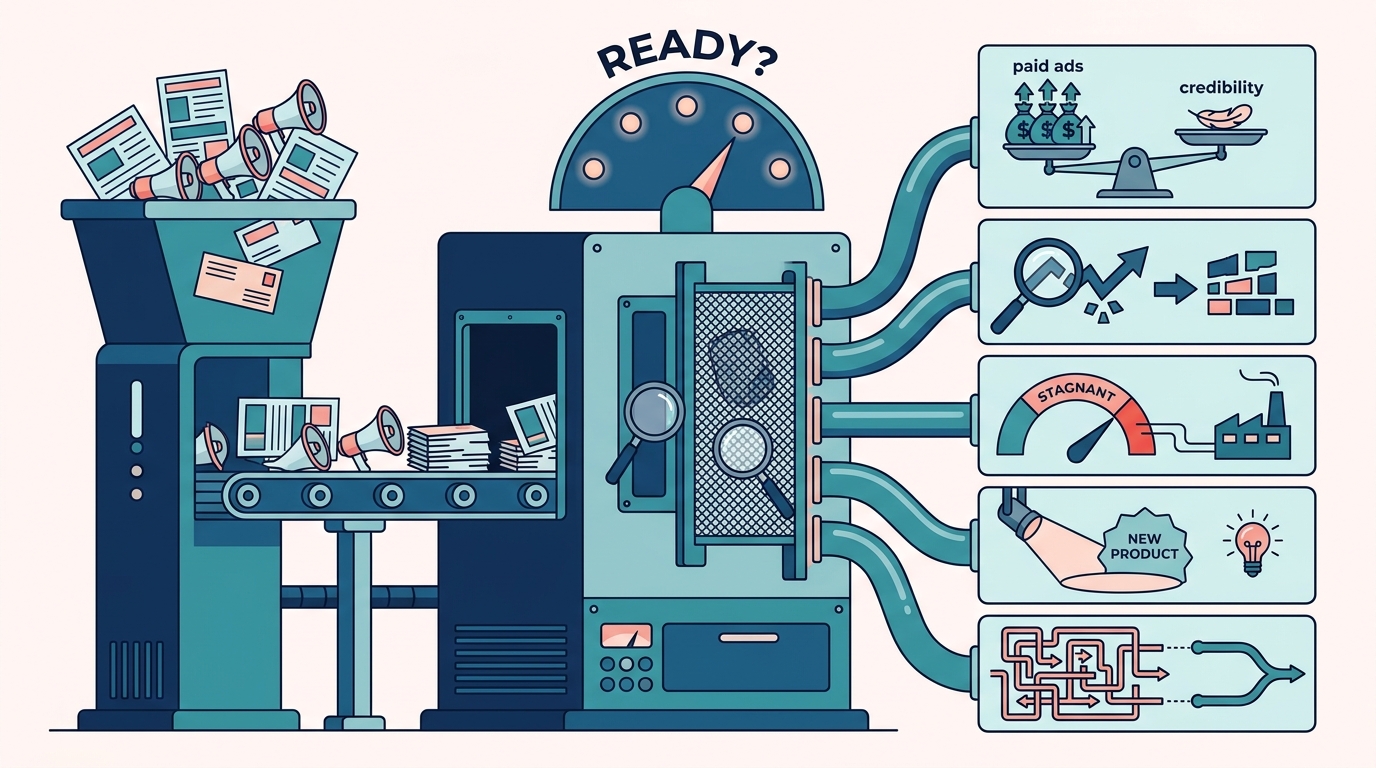
Determining if your brand is ready for public relations requires an honest audit of your current market position and operational maturity. Professional PR is not a magic bullet for a broken product. It is an amplifier for a strong foundation. Here are five critical indicators that your business has reached the tipping point.
1. You Have a Compelling, Verifiable Story
Public relations is fundamentally about storytelling. Journalists and editors are constantly seeking narratives that resonate with their audiences. If your brand has a unique origin story, a disruptive technology, or a significant milestone, you have the raw material needed for PR success. PR is the strategic practice of managing the spread of information between an individual or an organization and the public. Without a clear, compelling narrative, even the best agency will struggle to secure top-tier media placements.
Consider the case of Sailes, a company that spent six years perfecting AI-powered prospecting. Their story was not just about a product launch; it was about market dominance and technological innovation. This narrative depth allowed them to secure high-impact coverage. If your brand lacks this depth, focus on product development first.
2. Your Product-Market Fit Is Established
PR drives traffic and awareness, but it cannot fix a product that customers do not want. If you are still struggling to find your initial users or receiving consistent negative feedback regarding core functionality, professional PR may accelerate your churn rate rather than your growth. You need a stable base of satisfied customers who can serve as social proof.
Data shows that brands with established product-market fit see a significantly higher conversion rate from PR-driven traffic. When your product delivers on its promises, media coverage acts as a validation mechanism, reinforcing your credibility in the eyes of new prospects.
3. You Are Facing a Critical Inflection Point
Timing is everything in public relations. The best time to invest in PR is often before you think you need it. Look for these inflection points:
- Product Launches: Introducing a new feature or product line to a crowded market.
- Funding Rounds: Raising seed, Series A, or Series B capital requires visibility to attract investors and talent.
- Market Expansion: Entering a new geographic region or vertical market.
- Rebranding: Shifting your brand identity to reflect new strategic goals.
If you are navigating any of these transitions, professional PR can help you control the narrative and ensure your message reaches the right stakeholders at the right time.
4. Your Internal Team Is Maxed Out
Many startups attempt to handle their own PR initially. This is a valid strategy for early-stage growth. However, when your internal team is spending more time pitching journalists than building your product or serving customers, it is a sign that you have outgrown DIY PR. Professional agencies bring established relationships with editors and influencers that take years to build.
According to industry benchmarks, agencies like Society22 leverage decades of experience to secure placements that are often inaccessible to in-house teams. This network effect is a key differentiator between amateur and professional PR outcomes.
5. You Are Prepared for Long-Term Engagement
Public relations is not a one-time campaign. It is a continuous process of relationship building and reputation management. Brands that expect immediate, permanent results from a single press release are often disappointed. Successful PR requires consistent effort to maintain momentum and capitalize on emerging news cycles.
Agencies that guarantee results within 30 days, such as those offering money-back guarantees for media placement, understand the importance of rapid execution. However, long-term brand equity is built over months and years of consistent visibility.
Understanding the Difference Between PR and Marketing
Confusion between public relations and digital marketing is common. While both aim to increase brand awareness, their mechanisms and metrics differ significantly. Understanding this distinction is crucial for determining your readiness to invest in PR.
| Feature | Digital Marketing | Public Relations |
|---|---|---|
| Control | High. You control the message, placement, and timing. | Low. Journalists control the angle and context of your story. |
| Cost | Paid media. Costs scale with impressions and clicks. | Earned media. Costs are associated with agency fees, not ad spend. |
| Credibility | Lower. Consumers often view ads with skepticism. | Higher. Third-party endorsements are trusted more by consumers. |
| Lifespan | Short. Visibility stops when you stop paying. | Long. Content remains indexed and accessible indefinitely. |
Marketing buys attention; PR earns trust. If your brand is struggling with trust issues or high customer acquisition costs due to ad fatigue, PR may be the more effective investment.
Analyzing the ROI of Public Relations
One of the biggest hurdles in justifying PR spend is measuring its return on investment. Unlike digital marketing, where clicks and conversions are easily tracked, PR metrics are often more nuanced. However, the financial impact is substantial.
Research indicates that media coverage can drive a significant increase in organic search traffic. When a brand is featured in top-tier publications, it gains authoritative backlinks that improve search engine rankings. This long-term SEO benefit compounds over time, reducing reliance on paid advertising.
Furthermore, PR placements often lead to partnership opportunities and investor interest. For B2B SaaS companies, a single feature in a major tech publication can result in a measurable spike in demo requests and sales inquiries. The key is to track not just media mentions, but the downstream business outcomes they generate.
When to Engage a PR Agency
If you recognize the signs above, the next step is selecting the right partner. Not all PR agencies are created equal. Look for firms that specialize in your industry and have a proven track record of securing coverage in your target publications.
Society22, for example, specializes in tech, fintech, and healthtech sectors. Their approach combines traditional media relations with modern digital strategy, ensuring that your brand gets featured in the outlets that matter most to your audience. Their proprietary process is designed to get top-tier press in motion within the first 30 days, providing rapid validation for your brand.
When evaluating agencies, ask about their media network, their success rates, and their approach to crisis management. A good agency will not only pitch your story but also help you navigate potential challenges and maximize the impact of every placement.
Key Takeaways
- Storytelling is Essential: You must have a compelling, verifiable narrative to succeed in PR.
- Product-Market Fit First: PR amplifies what exists; it does not fix a broken product.
- Timing Matters: Engage PR before you need it, during critical inflection points like funding or launches.
- Internal Capacity: If your team is maxed out, external expertise is necessary for scale.
- Long-Term View: PR is a continuous strategy, not a one-time fix.
- ROI Measurement: Track organic traffic, search rankings, and partnership opportunities, not just media clips.
- Specialized Expertise: Choose an agency that understands your specific industry dynamics.
Frequently Asked Questions
How long does it take to see results from PR?
While some agencies guarantee media placement within 30 days, the full impact of PR on brand awareness and search rankings typically builds over 3 to 6 months of consistent effort.
Can PR replace digital advertising?
PR is not a direct replacement for digital advertising, but it can reduce your reliance on it by driving organic traffic and building brand trust that lowers customer acquisition costs over time.
What industries benefit most from professional PR?
Industries with high competition and complex products, such as fintech, healthtech, and B2B SaaS, benefit significantly from PR as it helps simplify messaging and build credibility.
How do I measure the success of a PR campaign?
Success metrics include media impressions, domain authority of placements, organic search traffic growth, and direct business outcomes like demo requests or partnership inquiries.
Is PR only for startups?
No, established enterprises also use PR to manage reputation, launch new products, and navigate crisis situations. The strategies may differ, but the need for professional media relations remains constant.
What is the difference between a press release and PR?
A press release is a single piece of content. PR is the strategic process of pitching that content to journalists, building relationships, and managing the broader narrative around your brand.
Do I need a large budget to start PR?
While larger budgets allow for more extensive campaigns, many agencies offer tiered packages. The key is to invest in quality strategy and media relationships, regardless of the budget size.
Ready to Elevate Your Brand?
If you recognize these signs in your business, it may be time to stop guessing and start growing. Professional public relations can transform your brand's trajectory, turning your story into a market-leading narrative. Contact Society22 today to discuss how we can help you secure the media coverage you deserve.