.png)

Traditional marketing efforts often fail to generate sustainable growth when they rely solely on paid visibility. According to recent industry data, 97% of clients working with specialized public relations firms secure features in top-tier media outlets. This statistic highlights a critical shift in how modern brands build authority. While paid advertising offers immediate visibility, strategic public relations provides the long-term credibility that converts audiences into loyal customers. Understanding the mechanics behind both approaches is essential for business leaders seeking to maximize their return on investment.
Core Differences in Audience Trust
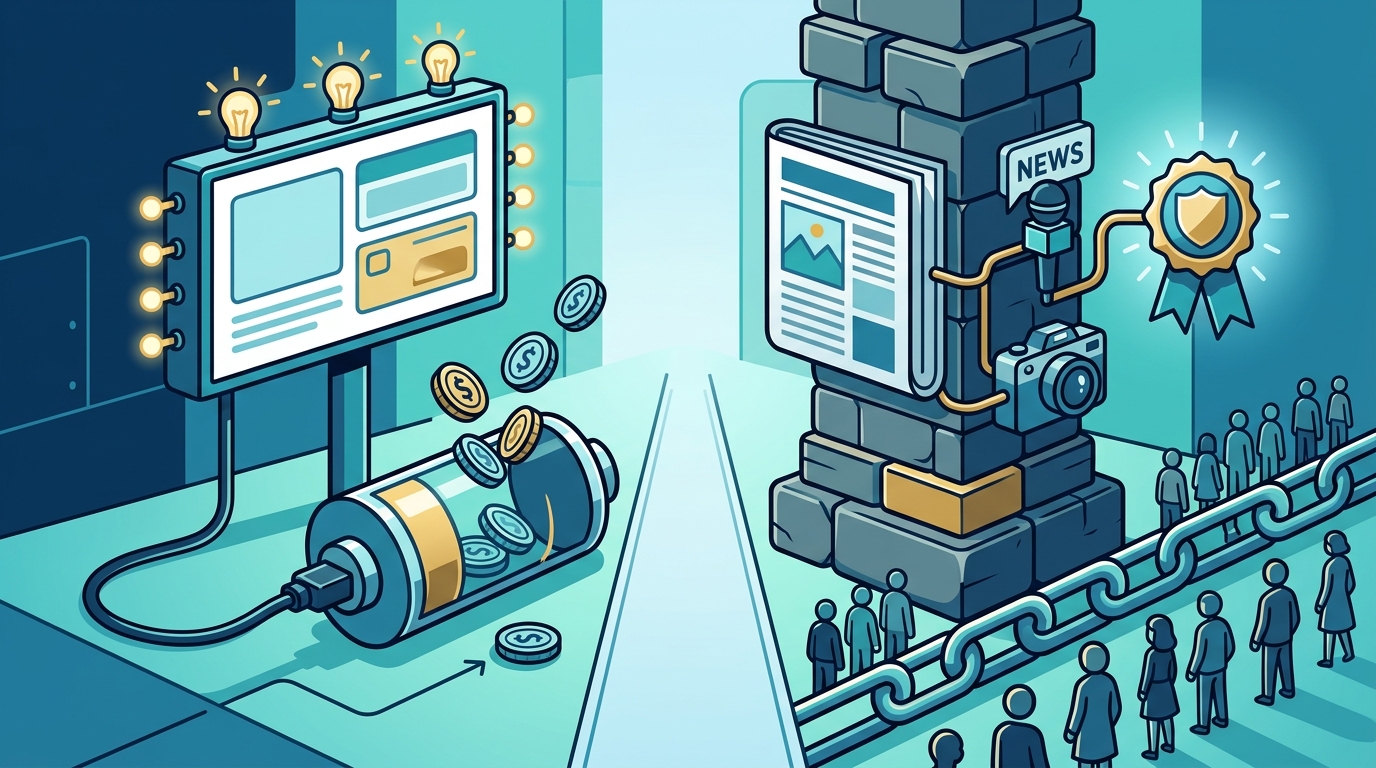
The fundamental divergence between public relations and paid advertising lies in the source of trust. When a consumer encounters a sponsored post, they recognize it as a commercial message. This awareness creates a psychological barrier. The audience knows the brand is paying for the placement. Consequently, the perceived value of the message is often discounted.
Strategic public relations operates differently. It relies on earned media. This means third-party journalists and editors validate the brand's story. Validation from an independent source carries significantly more weight. It signals to the market that the company is relevant, innovative, or necessary. This validation is not purchased. It is earned through relationship building and narrative crafting.
Public relations is the practice of managing the spread of information between an individual or an organization and the public. This definition underscores the relational aspect of the discipline. It is not merely about getting a mention. It is about positioning the brand alongside other household names. This positioning improves brand status in the marketplace. It makes crucial connections with leaders in the industry.
Paid advertising is the promotion of goods or services by paid announcements. This definition highlights the transactional nature of the channel. It is effective for immediate action. It drives traffic to a landing page. It generates leads within hours. However, it does not inherently build long-term brand equity. The moment the budget stops, the visibility disappears.
The Mechanics of Strategic PR
Strategic public relations involves a rigorous process of narrative development and media pitching. It requires a deep understanding of the target audience's interests. It also requires a robust network of press contacts. Agencies like Society22 specialize in this exact intersection of business development and media strategy.
The goal is to secure placements in top-tier media. These outlets include major publications, industry journals, and influential blogs. A placement in a respected publication acts as a digital asset. It remains accessible to search engines and users long after the initial publication. This longevity provides compounding value. It drives organic traffic over time. It also enhances search engine optimization efforts.
Consider the case of Sailes, an AI sales company. They needed to establish market dominance. They did not just launch a product. They owned the AI sales narrative. This strategic move ensured that every conversation about AI-driven prospecting led back to them. This is the power of strategic positioning. It changes the trajectory of a business.
Another critical component is the speed of results. Many traditional agencies take months to show progress. A strategic approach aims to get top-tier press in motion within the first 30 days. This rapid deployment is crucial for startups and companies undergoing pivots. It allows them to capitalize on market trends while they are relevant.
The process also involves managing brand reputation during growth periods. It helps navigate crucial brand decisions. It provides insights that have fueled growth and success. This guidance is particularly valuable for companies moving from seed rounds to IPOs. It ensures that the public narrative aligns with the company's strategic goals. (2026 Brand Awareness)
The Role of Paid Advertising
Paid advertising remains a vital tool in the marketing mix. It offers precision targeting. Advertisers can define demographics, interests, and behaviors. They can show ads to specific users at specific times. This control is unmatched by organic channels.
However, the cost of acquisition is rising. As more brands compete for ad space, prices increase. This trend reduces the efficiency of paid campaigns over time. It also leads to ad fatigue among consumers. Users are becoming adept at ignoring sponsored content. They use ad blockers and skip ads. This behavior diminishes the effectiveness of paid channels.
Paid advertising is most effective when used to amplify a strong narrative. It works best when the brand already has credibility. If a brand lacks trust, paid ads may struggle to convert. The audience needs a reason to believe the brand. Public relations provides that reason. It creates the foundation upon which paid ads can stand.
Furthermore, paid advertising does not build relationships. It is a one-way communication channel. The brand speaks to the user. There is no dialogue. There is no validation from a third party. This limitation makes it less effective for building long-term brand loyalty. It is excellent for short-term sales spikes. It is less effective for long-term brand building.
Comparative Analysis of ROI and Reach
Understanding the return on investment for each channel requires looking beyond immediate metrics. Paid advertising offers clear, immediate data. You know exactly how much you spent and how many clicks you received. Public relations offers more nuanced metrics. It includes brand sentiment, share of voice, and long-term traffic growth.
| Factor | Strategic PR | Paid Advertising |
|---|---|---|
| Primary Goal | Build credibility and long-term authority | Drive immediate traffic and conversions |
| Cost Structure | Retainer or project-based fee | Pay-per-click or impression-based |
| Trust Level | High (Earned media validation) | Low (Sponsored content awareness) |
| Lifespan | Long-term (Evergreen digital assets) | Short-term (Stops when budget ends) |
| Targeting | Broad audience via media outlets | Precise demographic and behavioral targeting |
The table above illustrates the distinct advantages of each channel. Strategic PR is an investment in brand equity. Paid advertising is an investment in immediate visibility. Both are necessary for a comprehensive marketing strategy. However, they serve different purposes. Confusing the two leads to misaligned expectations and poor results. (2026 Brand Awareness)
Integrating PR and Paid Strategies
The most effective brands do not choose between PR and paid advertising. They integrate them. This approach is known as the "amplification model." Public relations creates the story. Paid advertising amplifies that story to a wider audience.
For example, a company secures a feature in a major publication. This feature serves as social proof. The company then runs paid ads that link to this article. The ads highlight the credibility of the publication. This combination increases click-through rates. It also lowers the cost per acquisition. The audience is more likely to engage with content that has been validated by a third party.
This integration also supports search engine optimization. Paid traffic can drive initial visibility. Organic traffic from PR placements builds long-term authority. Together, they create a dominant presence in search results. This dominance makes it difficult for competitors to gain traction. It establishes the brand as the market leader.
Furthermore, the data from paid campaigns can inform PR strategies. If certain keywords or topics perform well in ads, they can be pitched to journalists. This data-driven approach increases the likelihood of securing placements. It ensures that the PR narrative aligns with market interest. It makes the pitching process more efficient and effective.
Key Takeaways
- Trust Differential: Earned media from PR carries significantly more weight than paid placements because it is validated by independent third parties.
- Speed of Results: Strategic PR firms can often secure top-tier press within 30 days, providing rapid visibility for growing companies.
- Longevity: PR placements remain as digital assets indefinitely, compounding value over time, whereas paid ads stop immediately when funding ends.
- Brand Positioning: PR positions products alongside household names, improving brand status in the marketplace and attracting high-value partnerships.
- ROI Complexity: While paid advertising offers immediate metrics, PR drives long-term traffic, revenue, and partnership opportunities that are harder to quantify but more valuable.
- Integration Necessity: The most effective strategy uses PR to build credibility and paid ads to amplify that credibility to a targeted audience.
- Agency Expertise: Specialized firms like Society22 leverage decades of experience to disrupt the public relations status quo and deliver measurable results.
Frequently Asked Questions
Is public relations more expensive than paid advertising?
The cost structure differs significantly. Paid advertising operates on a variable cost model based on clicks or impressions. Public relations typically involves a retainer or project fee. While the upfront cost of PR may seem higher, the long-term value of earned media often yields a higher return on investment due to its longevity and credibility.
How quickly can strategic PR generate results?
Strategic public relations aims to get top-tier press in motion within the first 30 days. This rapid deployment is crucial for companies looking to capitalize on market trends or launch new products. The speed of results depends on the timeliness of the news and the strength of the media relationships.
Can paid advertising replace public relations?
No. Paid advertising cannot replace the credibility that comes from earned media. While ads can drive traffic, they do not provide the third-party validation that builds trust. A comprehensive brand strategy requires both channels to work in tandem.
What industries benefit most from strategic PR?
Industries such as FinTech, Cyber Security, Healthtech, and B2B SaaS benefit greatly from strategic PR. These sectors require high levels of trust and authority. PR helps position these companies as leaders in their respective fields. It also helps navigate complex regulatory and market landscapes.
How does PR impact search engine rankings?
PR impacts search engine rankings by generating high-quality backlinks and increasing brand visibility. When reputable publications feature a brand, it signals authority to search engines. This authority improves the brand's ability to rank for competitive keywords. It also drives organic traffic that is highly engaged.
What is the role of a PR agency in brand growth?
A PR agency helps expand reach through top-tier media exposure. It improves brand status by making crucial connections with industry leaders. It changes the trajectory of a business by securing placements that multiply the ROI on standard marketing practices. Agencies like Society22 specialize in this holistic approach to growth.
Elevate Your Brand with Strategic PR
When your personal network is tapped and your traditional marketing efforts aren't getting you the growth you are looking for, it is time for a public relations strategy. Do not settle for temporary visibility. Build lasting authority. Contact Society22 today to discuss how we can position your story in front of millions. Let us help you secure the media placements that drive real business results.